What Is Organic Skincare? A Complete Guide by Organika
Hello and welcome to Organika 🌿
I often get asked one simple yet powerful question: What exactly is organic skincare?
With so many products claiming to be natural, herbal, clean, or green, it’s easy to feel confused. This blog is my attempt to clear that confusion and give you a transparent, honest, and in-depth understanding of organic skincare—what it is, why it matters, and how it can transform your skin and overall well-being.
Table of Contents
- Understanding Skincare at Its Core
- What Does “Organic” Really Mean?
- What Is Organic Skincare?
- Organic vs Natural vs Conventional Skincare
- Ingredients Used in Organic Skincare
- Harmful Chemicals Avoided in Organic Skincare
- How Organic Skincare Is Made
- Certifications and Labels to Look For
- Benefits of Organic Skincare for Your Skin
- Benefits for the Environment
- Organic Skincare for Different Skin Types
- Common Myths About Organic Skincare
- Transitioning to Organic Skincare
- Why We Chose Organic at Organika
- How to Identify Truly Organic Skincare Brands
- Challenges in the Organic Skincare Industry
- The Future of Organic Skincare
- Final Thoughts from Organika
1. Understanding Skincare at Its Core
Skincare is not about vanity—it’s about health. Our skin is the largest organ of the human body, acting as a protective barrier while also absorbing a significant portion of what we apply to it. Studies suggest that up to 60% of topical products can be absorbed into the bloodstream.
This means your daily moisturizer, cleanser, or serum is not just sitting on the surface—it’s interacting with your body at a deeper level. That realization is what first pushed me toward organic skincare.
2. What Does “Organic” Really Mean?
Organic Skincare
The word organic is often misunderstood. In its truest sense, organic refers to how ingredients are grown, harvested, and processed.
Organic ingredients are:
- Grown without synthetic pesticides or fertilizers
- Free from genetically modified organisms (GMOs)
- Cultivated in healthy, living soil
- Processed without harsh chemicals or irradiation
In skincare, organic doesn’t just mean plant-based—it means clean from seed to shelf.
3. What Is Organic Skincare?
Organic Skincare
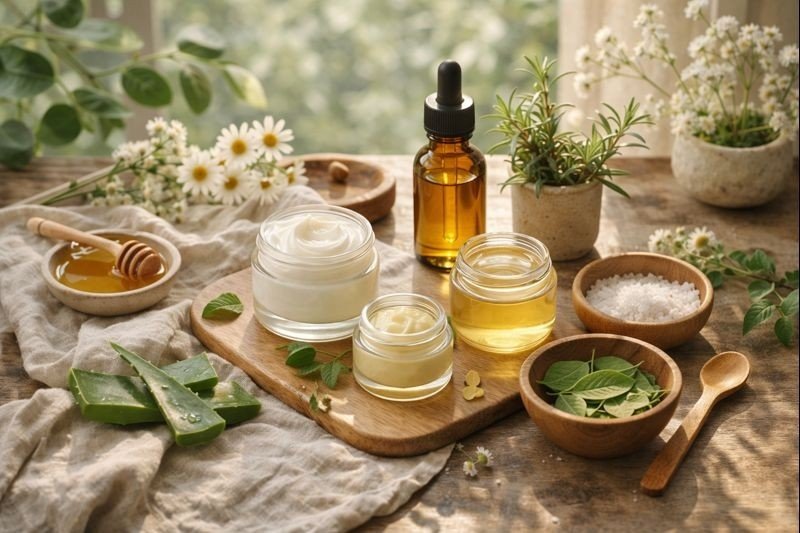
Organic skincare refers to products formulated using ingredients that are organically grown and minimally processed, without harmful synthetic chemicals.
At Organika, organic skincare means:
- Ingredients sourced from certified organic farms
- No parabens, sulfates, silicones, or artificial fragrances
- No animal testing
- Eco-conscious production methods
Organic skincare works in harmony with your skin instead of forcing instant results through harsh actives.
4. Organic vs Natural vs Conventional Skincare
One of the biggest confusions in skincare comes from labeling. Let’s break it down:
Conventional Skincare
- Uses synthetic chemicals
- Focuses on quick, visible results
- Often contains preservatives, artificial fragrances, and fillers
Natural Skincare
- Uses ingredients derived from nature
- May still contain synthetic preservatives
- Not always regulated
Organic Skincare
- Uses certified organic ingredients
- Strict sourcing and processing standards
- Safer for skin and environment
Not all natural products are organic, but all organic products are natural.
5. Ingredients Used in Organic Skincare
Organic skincare relies on nature’s most powerful ingredients:
- Plant Oils: Jojoba, argan, rosehip, coconut
- Botanical Extracts: Green tea, chamomile, calendula
- Butters: Shea butter, cocoa butter, mango butter
- Essential Oils: Lavender, tea tree, frankincense
- Natural Clays: Kaolin, bentonite
These ingredients nourish the skin rather than masking problems.
6. Harmful Chemicals Avoided in Organic Skincare
One of the strongest reasons to switch to organic skincare is what it doesn’t contain:
- Parabens
- Sulfates (SLS/SLES)
- Phthalates
- Artificial fragrances
- Formaldehyde releasers
- Mineral oil & petroleum derivatives
Long-term exposure to these chemicals has been linked to skin irritation, hormonal imbalance, and environmental damage.
7. How Organic Skincare Is Made
Organic skincare production is slower, more intentional, and more respectful.
At Organika, we:
- Cold-process oils to preserve nutrients
- Use small-batch manufacturing
- Avoid high-heat processing
- Choose biodegradable packaging
This ensures maximum potency and minimum waste.
8. Certifications and Labels to Look For
Not every brand claiming organic truly is. Look for certifications such as:
- USDA Organic
- ECOCERT
- COSMOS Organic
- India Organic
Certifications ensure transparency and accountability.
9. Benefits of Organic Skincare for Your Skin
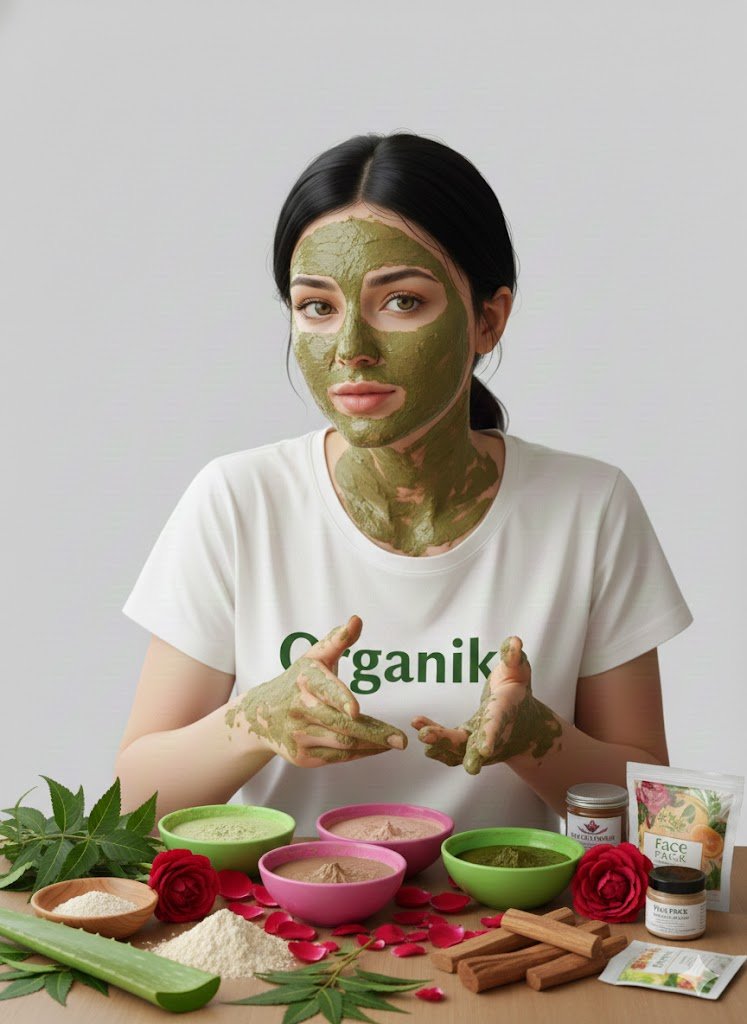
Organic skincare offers long-term skin health rather than temporary fixes:
- Improved skin barrier
- Reduced irritation and sensitivity
- Balanced oil production
- Enhanced natural glow
- Slower signs of aging
Your skin learns to heal itself again.
10. Benefits for the Environment
Organic skincare isn’t just about you—it’s about the planet.
- No toxic runoff into water bodies
- Sustainable farming practices
- Reduced carbon footprint
- Cruelty-free formulations
Healthy soil = healthy plants = healthy skin.
11. Organic Skincare for Different Skin Types by ORGANIKA
Dry Skin
Nourishing oils and butters restore moisture naturally.
Oily & Acne-Prone Skin
Gentle botanicals balance sebum without stripping.
Sensitive Skin
Free from harsh chemicals, organic products soothe inflammation.
Mature Skin
Antioxidant-rich ingredients fight oxidative stress.
12. Common Myths About Organic Skincare
Myth 1: Organic skincare doesn’t work
Truth: It works slower but deeper.
Myth 2: Organic products expire quickly
Truth: Natural preservatives are effective when used correctly.
Myth 3: Organic skincare is only for sensitive skin
Truth: It benefits all skin types.
13. Transitioning to Organic Skincare Organic Skincare
Switching to organic skincare is a journey:
- Start with a cleanser and moisturizer
- Give your skin time to detox (2–4 weeks)
- Be patient with results
- Listen to your skin
Consistency is key.
14. Why We Chose Organic at Organika
Organika was created from personal experience. I struggled with skin sensitivity caused by chemical-heavy products. When I switched to organic skincare, my skin healed—and so did my trust in nature.
Organika stands for:
- Transparency
- Purity
- Sustainability
- Skin wellness over trends
15. How to Identify Truly Organic Skincare Brands
Ask these questions:
- Are ingredients clearly listed?
- Are certifications mentioned?
- Is the brand transparent about sourcing?
- Does the brand educate, not exaggerate?
True organic brands don’t rely on fear—they rely on facts.
16. Challenges in the Organic Skincare Industry
Organic skincare is not easy:
- Higher ingredient costs
- Shorter shelf life
- Limited suppliers
- Greenwashing by big brands
Despite this, we choose integrity over shortcuts.
17. The Future of Organic Skincare
The future is conscious, minimal, and transparent.
Consumers are becoming ingredient-aware, demanding:
- Clean labels
- Ethical sourcing
- Sustainable packaging
Organic skincare is not a trend—it’s a return to wisdom.
18. Final Thoughts from Organika Organic Skincare
Organic skincare is more than a routine—it’s a philosophy. It’s about trusting nature, respecting your skin, and choosing long-term health over instant results.
At Organika, we believe your skin deserves honesty, purity, and care.
Thank you for being part of this journey toward mindful beauty 🌱