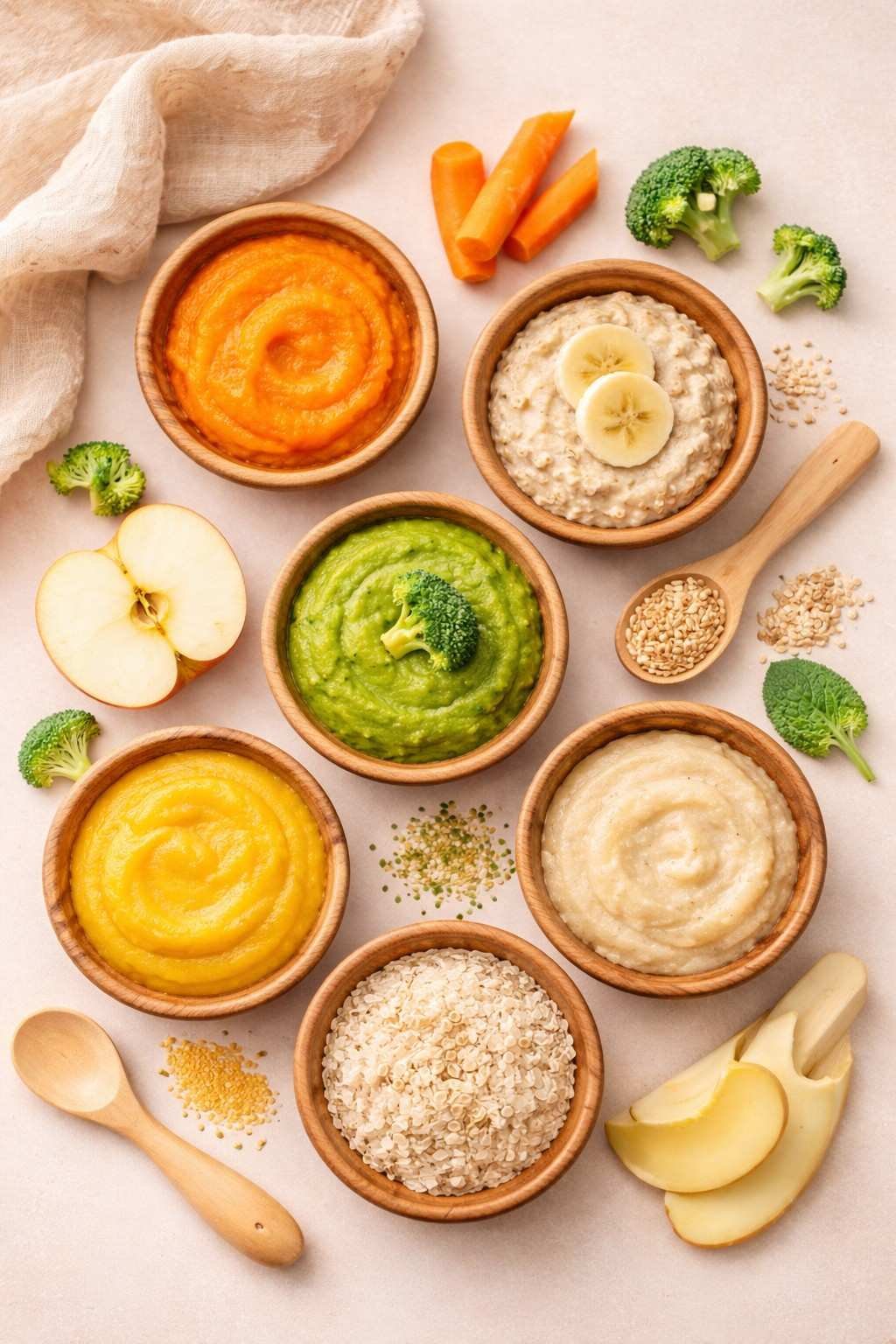
Infant Food for Your Baby: A Pure Beginning for a Healthy Life
Infant First Food
By ORGANIKA — Eat, Glow, and Grow
Introduction: Why Your Baby’s First Food Matters So Much
A baby’s first bite is not just food — it’s the foundation of their lifelong health. From the moment your baby transitions from milk to solids, every spoonful plays a powerful role in shaping immunity, digestion, brain development, and overall growth.
At ORGANIKA, we believe that babies deserve the purest start possible. Organic food is not a trend or luxury — it’s a conscious choice to protect your child from unnecessary chemicals, pesticides, and artificial additives during their most sensitive developmental stage.
This guide is created for mindful parents who want to understand:
- What organic food really means for babies
- When and how to introduce organic foods
- Which organic foods are best at each age
- Common myths and mistakes
- Practical tips for everyday parenting
Let’s begin this beautiful journey toward raising a healthier, happier baby — naturally.
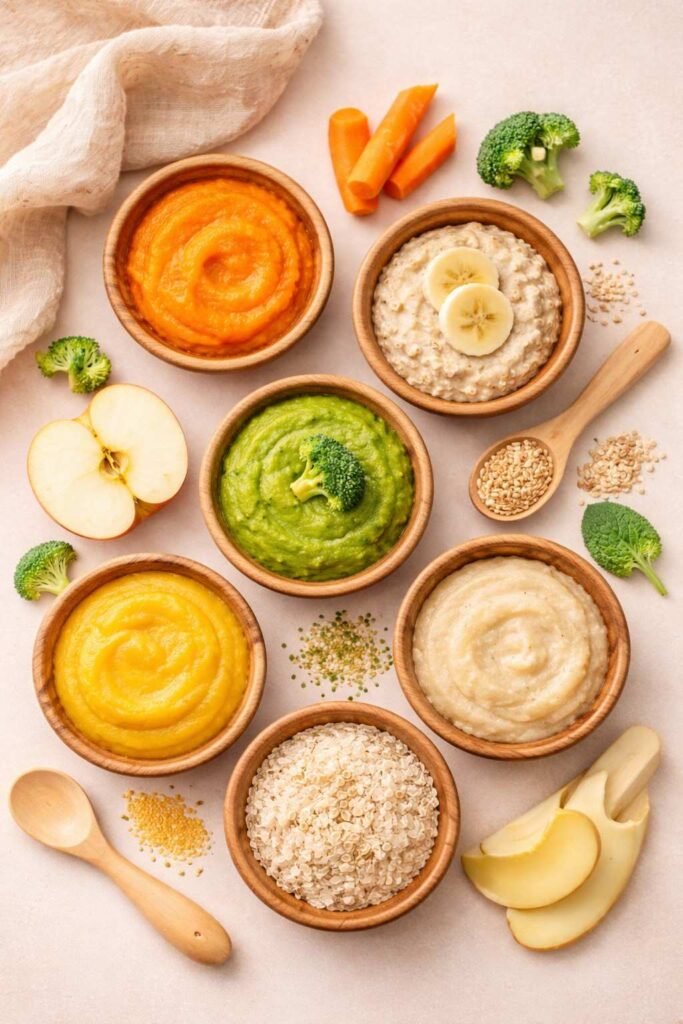
What Is Organic Food and Why Is It Important for Babies?
Infant First Food
Organic food is grown and produced without:
- Synthetic pesticides
- Chemical fertilizers
- Artificial preservatives
- GMOs (genetically modified organisms)
- Hormones or antibiotics
For babies, whose organs and immune systems are still developing, exposure to chemicals can have long-term effects.
Why Babies Are More Vulnerable
- Babies eat more food per kg of body weight than adults
- Their detox systems (liver and kidneys) are immature
- Their gut lining is more absorbent
- Early exposure can affect hormones and immunity
Organic food reduces this exposure and supports natural growth.
Key Benefits of Organic Food for Babies Infant First Food
1. Stronger Immune System
Organic fruits, vegetables, and grains contain higher levels of antioxidants, vitamins, and minerals that help build natural immunity.
2. Better Digestion
Organic foods are free from chemical residues that can irritate a baby’s delicate digestive system, reducing chances of colic, constipation, and allergies.
3. Lower Risk of Allergies
Artificial colors, flavors, and preservatives are known triggers for allergies and skin issues. Organic food minimizes these risks.
4. Supports Brain Development
Healthy fats, iron, and essential nutrients found in organic foods support cognitive growth and brain development.
5. Long-Term Health Benefits
Early nutrition impacts future health — organic diets are linked to lower risks of obesity, hormonal imbalance, and chronic illness later in life.
When Should You Introduce Organic Food to Your Baby?
0–6 Months: Breast Milk or Formula Only
- Breast milk is naturally organic and perfectly designed
- If formula is needed, choose certified organic infant formula
6 Months Onwards: Start Organic Solids
This is the ideal time to introduce organic foods because:
- Baby’s digestive system is more mature
- Iron stores start to reduce
- Taste preferences begin forming
Starting organic early builds a natural preference for real, clean food.
Best Organic Foods for Babies (Age-Wise Guide)
6–8 Months: Gentle First Foods
Start with single-ingredient organic foods:
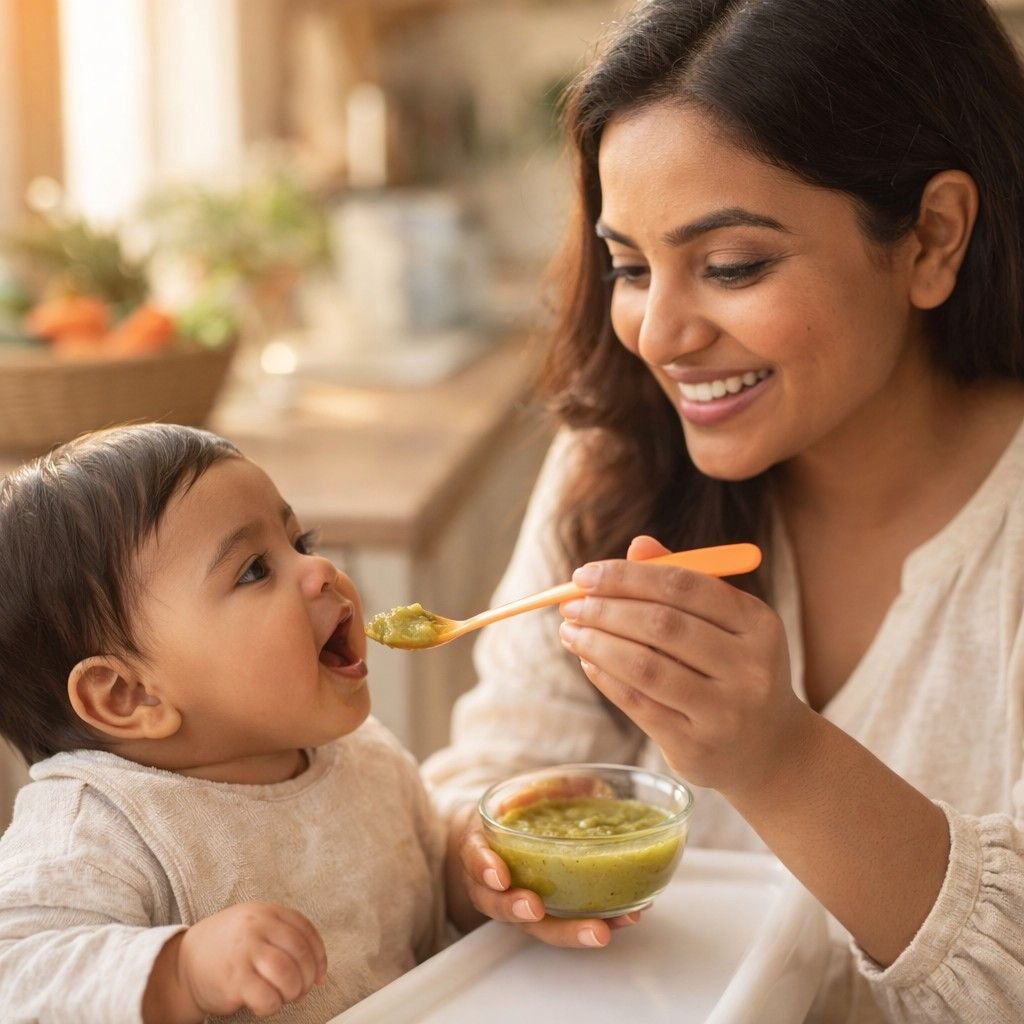
Organic Fruits
- Apple (steamed & mashed)
- Pear
- Banana
- Papaya
- Avocado
Organic Vegetables
- Carrot
- Pumpkin
- Sweet potato
- Bottle gourd
- Spinach (well-cooked)
Organic Grains
- Rice
- Ragi
- Oats
👉 Always introduce one food at a time and wait 3 days to check for reactions.
8–10 Months: Expanding Variety
Organic Proteins
- Moong dal
- Masoor dal
- Lentils
Organic Dairy (if advised)
- Homemade organic curd
Texture Progression
- Mashed → soft lumps → thicker consistency
This stage helps babies learn chewing and swallowing.
10–12 Months: Balanced Mini Meals
At this stage, babies can eat family-style organic meals with mild spices.
Examples:
- Organic khichdi (rice + dal + vegetables)
- Organic vegetable upma
- Soft organic chapati soaked in dal
- Organic fruit combinations
Encourage self-feeding for motor skill development.

Homemade Organic Baby Food vs Store-Bought
Homemade Organic Food – The Gold Standard
Pros:
- Fresh
- No preservatives
- Customizable
- Economical
Cons:
- Requires time and planning
Organic Packaged Baby Food
Pros:
- Convenient
- Travel-friendly
Cons:
- May lose nutrients during processing
- Expensive
ORGANIKA Recommendation:
Use homemade organic food as your primary choice, and packaged organic food as an occasional backup.
Common Myths About Organic Food for Babies By Organika
Myth 1: Organic Food Is Just Marketing
Truth: Certified organic farming follows strict safety standards and regulations.
Myth 2: Organic Food Is Too Expensive
Truth: Seasonal organic produce, grains, and home cooking balance the cost.
Myth 3: Babies Won’t Like the Taste
Truth: Babies adapt quickly. Early exposure shapes healthy taste preferences.
Myth 4: Washing Removes All Pesticides
Truth: Some chemicals penetrate the food and cannot be washed away.
How to Identify Truly Organic Baby Food
Look for:
- Certified organic labels
- Transparent ingredient lists
- No added sugar or salt
- No artificial colors or flavors
When shopping locally:
- Ask about farming methods
- Prefer seasonal and regional produce
Organic Food Safety Tips for Babies
- Always wash hands before preparation
- Use clean utensils
- Steam instead of boiling to retain nutrients
- Avoid added salt, sugar, and honey (before 1 year)
- Store food in glass or stainless steel containers
Building Healthy Eating Habits from Day One
Organic food is not just nutrition — it’s education.
When babies eat clean:
- They learn to appreciate natural flavors
- They develop mindful eating habits
- They grow with respect for nature
At ORGANIKA, we believe food is a ritual of care, love, and consciousness.
Role of Organic Food in Baby’s Emotional & Mental Health
Emerging studies show gut health influences mood and behavior. Organic diets support:
- A healthy gut microbiome
- Better sleep patterns
- Reduced irritability
A calm tummy often means a happier baby.
Sustainable Parenting: Organic Food & the Planet
Choosing organic means:
- Supporting soil health
- Protecting water resources
- Encouraging ethical farming
- Leaving a cleaner planet for your child
Organic parenting is an act of love — for your baby and the Earth.
Practical Tips for Busy Parents
- Batch cook organic meals weekly
- Freeze portions safely
- Shop seasonal produce
- Keep recipes simple
- Trust your instincts
Perfection is not required — consistency is.
ORGANIKA’s Philosophy on Baby Nutrition
At ORGANIKA, we stand for:
- Pure ingredients
- Conscious choices
- Traditional wisdom + modern science
- Health that begins at home
We believe every baby deserves food that nurtures, not harms.
Final Thoughts: A Pure Start Lasts a Lifetime
Feeding your baby organic food is one of the most powerful gifts you can give. It’s not about being perfect — it’s about being intentional.
Every organic meal is:
- A step toward stronger immunity
- A shield against unnecessary toxins
- A foundation for lifelong wellness
Start small. Stay consistent. Trust nature.
ORGANIKA — Eat, Glow, and Grow.