
Clean vs Natural vs Organic: What’s the Real Difference?
By Organika — Eat, Glow, and Grow
In today’s skincare world, words like clean, natural, and organic are everywhere. They appear on product labels, social media ads, influencer videos, and even doctor recommendations. But what do these terms actually mean? Are they regulated? Are they interchangeable? And most importantly—which one is truly better for your skin, your health, and the planet?
At Organika, we believe informed choices lead to healthier skin and a more conscious lifestyle. This detailed guide will help you clearly understand the differences between clean, natural, and organic skincare—without marketing hype, confusion, or greenwashing.
Why These Labels Matter More Than Ever
Over the last decade, consumers have become more aware of what they put on their skin, not just in their bodies. Skin is our largest organ, and studies suggest that a significant portion of topical products can be absorbed into the bloodstream.
This growing awareness has pushed brands to adopt labels that sound safe, eco-friendly, and health-conscious. However, not all labels are equal—and not all are regulated.
Understanding these differences helps you:
- Avoid misleading marketing claims
- Reduce exposure to potentially harmful chemicals
- Support ethical and sustainable brands
- Choose skincare aligned with your values
What Is “Clean” Skincare?
Definition
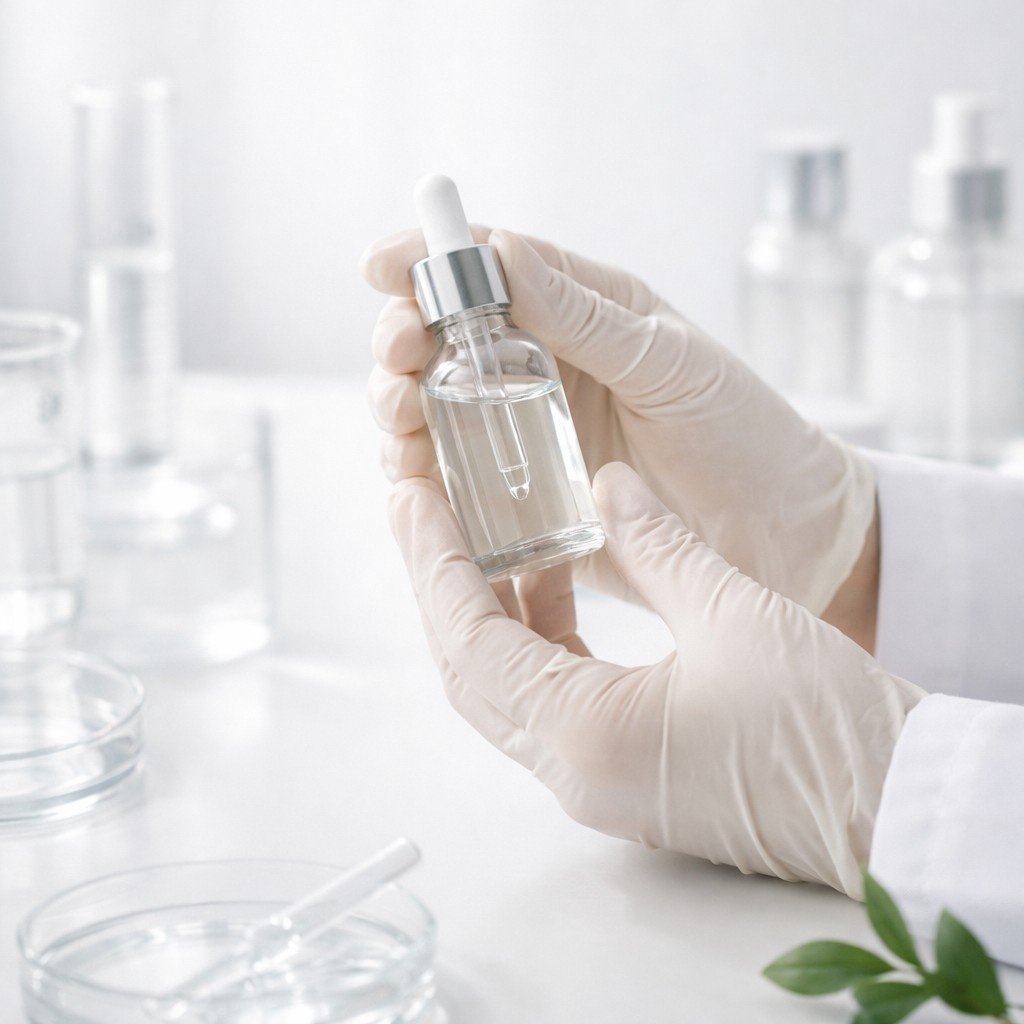
Clean skincare generally refers to products formulated without ingredients considered harmful or controversial. The focus is on ingredient safety, not necessarily on whether ingredients are natural or synthetic.
What Clean Skincare Avoids
While there is no universal definition, most clean beauty brands avoid:
- Parabens
- Phthalates
- Sulfates (SLS/SLES)
- Formaldehyde-releasing preservatives
- Synthetic fragrances
- Certain chemical UV filters
Are Clean Products Natural?
Not always. Clean skincare can include synthetic ingredients if they are considered non-toxic and safe. For example, lab-created preservatives or emulsifiers may be used for stability and shelf life.
Regulation Status
❌ Not regulated
The term “clean” is not legally defined by most governments. Each brand decides what “clean” means to them.
Pros of Clean Skincare
- Safer alternatives to harsh chemicals
- Often dermatologist-tested
- Suitable for sensitive skin
- Modern formulations with good performance
Cons of Clean Skincare
- Can still contain synthetic ingredients
- Definitions vary between brands
- May involve greenwashing
What Is “Natural” Skincare?

Definition
Natural skincare is typically made using ingredients derived from nature—plants, minerals, and animal by-products like beeswax or honey.
Common Natural Ingredients
- Aloe vera
- Essential oils
- Plant butters (shea, cocoa)
- Herbal extracts
- Clay and mineral pigments
Is Natural Always Safe?
Not necessarily. Some natural ingredients can cause:
- Skin irritation
- Allergic reactions
- Photosensitivity (e.g., citrus oils)
“Natural” does not automatically mean “gentle” or “non-toxic.”
Regulation Status
❌ Loosely regulated or not regulated
Products labeled “natural” may contain only a small percentage of natural ingredients.
Pros of Natural Skincare
- Plant-based and earth-derived
- Traditional and holistic appeal
- Often biodegradable
Cons of Natural Skincare
- May lack consistency
- Shorter shelf life
- Can still include synthetic preservatives
What Is “Organic” Skincare?
Definition
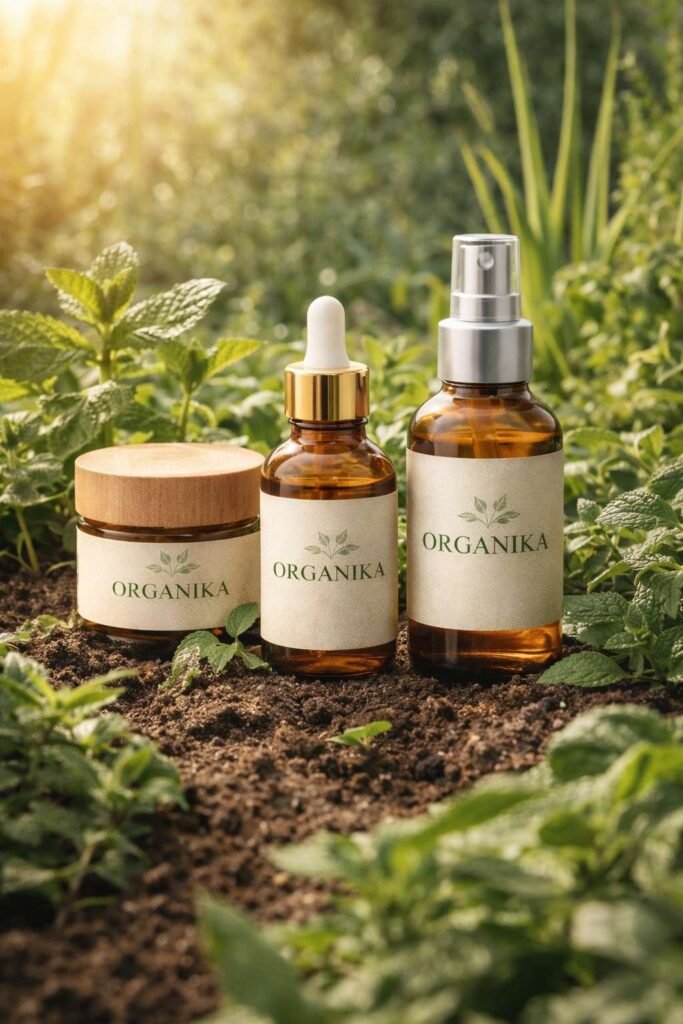
Organic skincare uses ingredients grown without:
- Synthetic pesticides
- Chemical fertilizers
- GMOs
- Toxic herbicides
True organic products rely on certified organic farming and processing methods.
Organic Certification
Unlike clean or natural, organic is regulated.
Depending on the country, certifications may include:
- USDA Organic
- ECOCERT
- COSMOS Organic
- India Organic
Certified organic products must meet strict standards—from soil quality to ingredient sourcing and manufacturing processes.
What Makes Organic Skincare Different By Organika
Clean vs Natural vs Organic
- Ingredients are grown in living, nutrient-rich soil
- No synthetic fragrances or dyes
- Minimal processing
- Environmentally sustainable practices
Pros of Organic Skincare
- Highest ingredient transparency
- Minimal chemical exposure
- Eco-friendly and sustainable
- Suitable for long-term skin health
Cons of Organic Skincare
- Higher cost
- Shorter shelf life
- Limited texture and fragrance options
Clean vs Natural vs Organic: A Clear Comparison

| Aspect | Clean | Natural | Organic |
|---|---|---|---|
| Regulation | ❌ No | ❌ No | ✅ Yes |
| Ingredient Source | Safe synthetic + natural | Mostly natural | Certified organic only |
| Chemical-Free | Partially | Not guaranteed | Mostly yes |
| Eco-Friendly | Sometimes | Often | Strongly |
| Transparency | Medium | Low–Medium | High |
The Problem of Greenwashing
Many brands use words like clean and natural purely for marketing.
Common greenwashing tactics include:
- Highlighting one natural ingredient while ignoring harmful ones
- Using green packaging to imply eco-friendliness
- Avoiding full ingredient disclosure
How to Avoid Greenwashing
- Read the full ingredient list (INCI)
- Look for certifications
- Research the brand’s sourcing and ethics
- Avoid vague claims like “chemical-free”
Why Organika Chooses Organic
Clean vs Natural vs Organic
At Organika, we believe skincare should nourish—not compromise—your body or the planet.
Our commitment:
- Certified organic ingredients where possible
- Ethical sourcing
- No harsh chemicals or synthetic fragrances
- Transparency over trends
Organic skincare aligns with our philosophy of Eat, Glow, and Grow—holistic wellness that begins with conscious choices.
Which One Should You Choose?
Choose Clean if:
- You want modern formulations
- You have sensitive skin
Choose Natural if:
- You prefer plant-based traditions
- You enjoy herbal skincare
Choose Organic if:
- You value long-term health
- You want certified, transparent skincare
- You care deeply about sustainability
Final Thoughts
Clean, natural, and organic are not the same—but understanding the difference empowers you to make better choices.
If your goal is true skin health, environmental responsibility, and ingredient integrity, organic skincare stands apart.
At Organika, we invite you to slow down, read labels, and choose skincare that respects your body and the earth.
Because beauty should never come at the cost of your health.
Explore more guides on organic living, skincare rituals, and seasonal wellness at Organika.