Organic Holi Colors
Organic Holi Colors
Natural Holi Colors at Home: A Complete Guide to Safe, Eco-Friendly Celebrations
Introduction
Holi — the festival of colors — is one of India’s most vibrant and joyous celebrations. Streets come alive with laughter, music, and bursts of color. Families gather, friends reunite, and communities celebrate unity.
The festival is widely celebrated across India and in many parts of the world where Indian communities thrive.
However, over the years, the shift from natural herbal colors to synthetic chemical powders has raised serious health and environmental concerns.
This is why natural Holi colors at home are making a strong comeback.
This guide will show you how to make safe, eco-friendly, and skin-friendly Holi colors using simple kitchen ingredients and flowers.
Understanding Holi and Its Traditional Roots
Organic Holi Colors
Holi finds mention in ancient Hindu scriptures and is associated with the legend of Prahlad and Holika. Traditionally, the colors used were derived from flowers and herbs mentioned in Ayurvedic texts.
The festival is often linked to the arrival of spring and is celebrated a day after Holika Dahan.
The Ministry of Environment under the Government of India has frequently encouraged eco-friendly celebrations to reduce pollution during festivals.
Historically, people used:
- Palash flowers
- Turmeric
- Neem leaves
- Rose petals
These were not just decorative but beneficial for skin.
Why You Should Avoid Chemical Holi Colors
Organic Holi Colors
Skin Damage
Synthetic colors may contain:
- Lead oxide
- Mercury sulphite
- Aluminum bromide
According to the World Health Organization, exposure to toxic heavy metals can cause skin irritation and long-term health risks.
Eye Irritation
Many hospitals report increased eye infections during Holi season.
The All India Institute of Medical Sciences has advised avoiding chemical-based colors due to conjunctivitis cases during festivals.
Environmental Impact
Colors wash into drains, polluting water bodies.
The Central Pollution Control Board has highlighted concerns about festival waste affecting rivers.
Impact on Animals
Stray animals suffer from chemical exposure. Natural colors reduce this risk.
Benefits of Natural Holi Colors
- Gentle on skin
- Biodegradable
- Safe for children
- Budget-friendly
- Encourage sustainability
Natural colors align with eco-conscious living trends.
How to Make Natural Holi Colors at Home By ORGANIKA
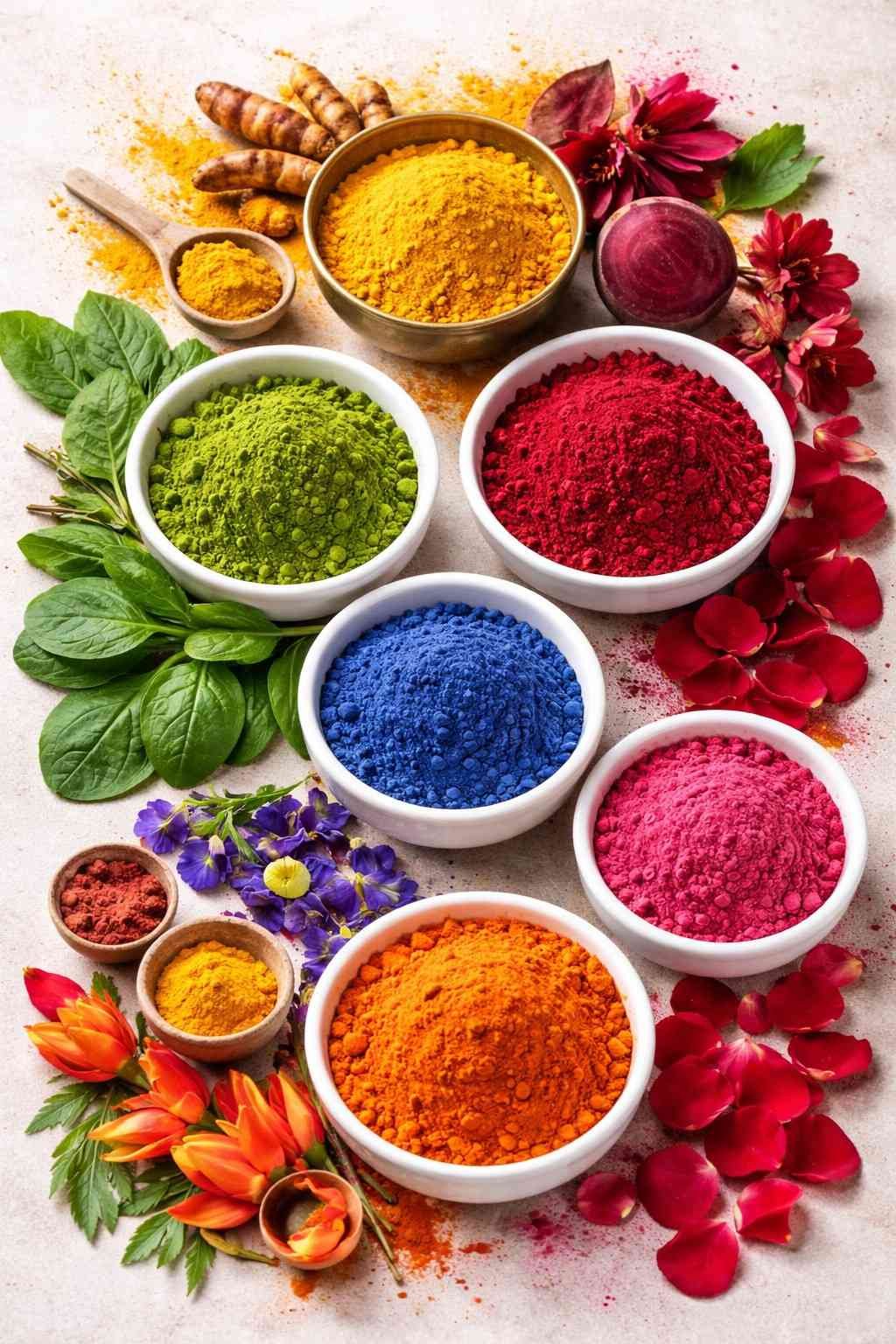
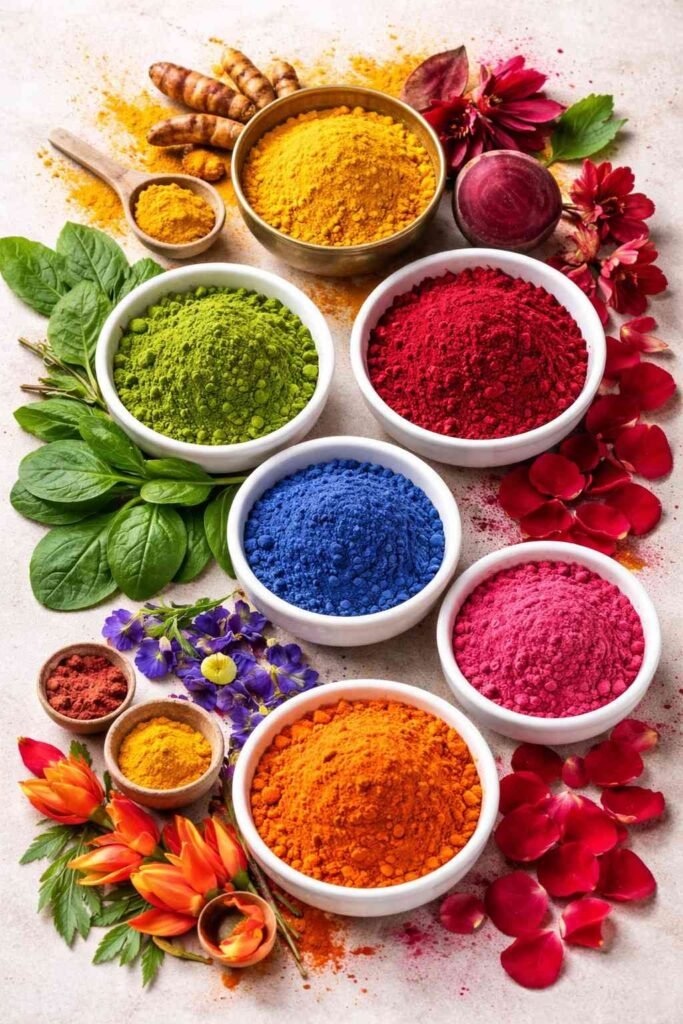
Yellow Color (Turmeric-Based)

Ingredients:
- 2 tbsp turmeric
- 1 cup cornflour
Mix thoroughly for dry gulal.
For wet color:
- Boil turmeric in water.
Red Color (Beetroot)
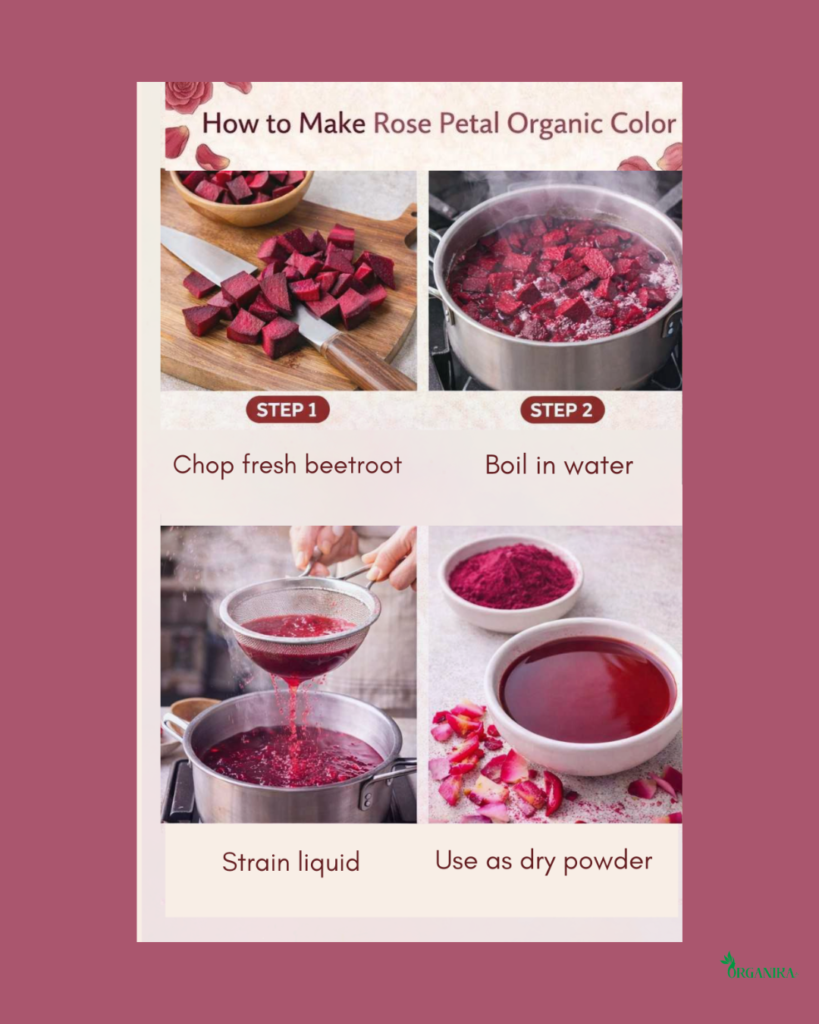
Dry beetroot slices in sunlight. Grind into powder.
Wet version:
- Boil beetroot pieces.
Green Color (Spinach)
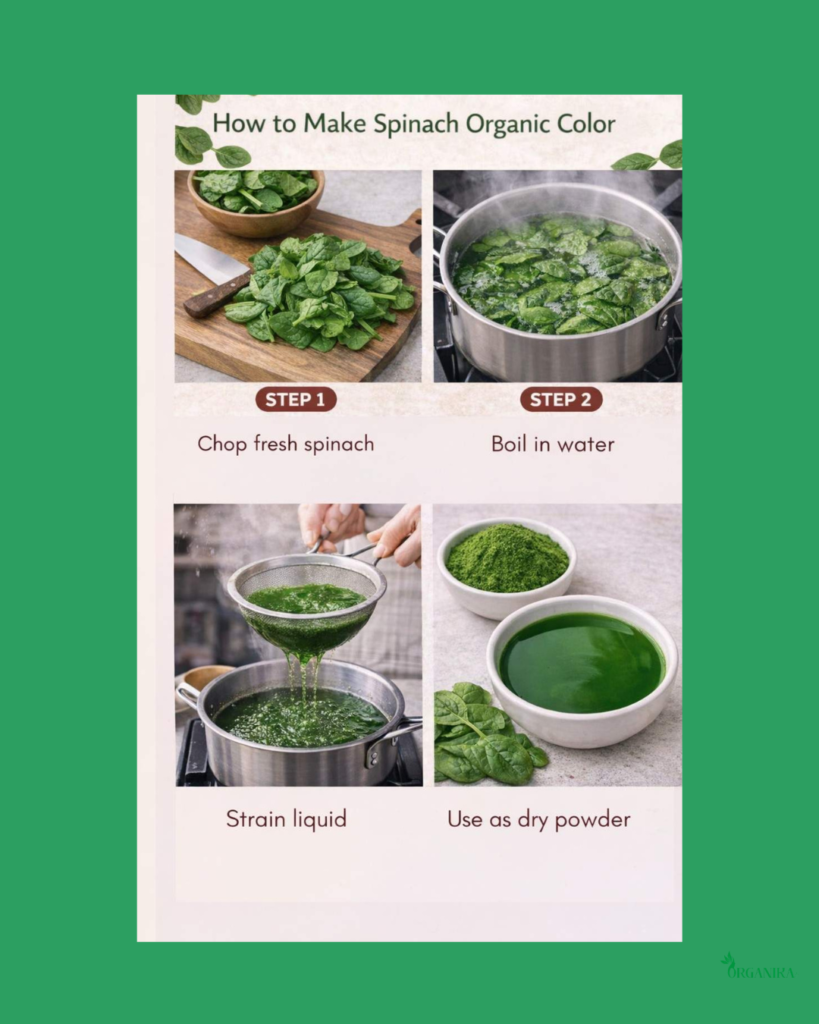
Dry spinach leaves and grind.
Wet:
- Blend spinach with water.
Pink Color (Rose Petals)
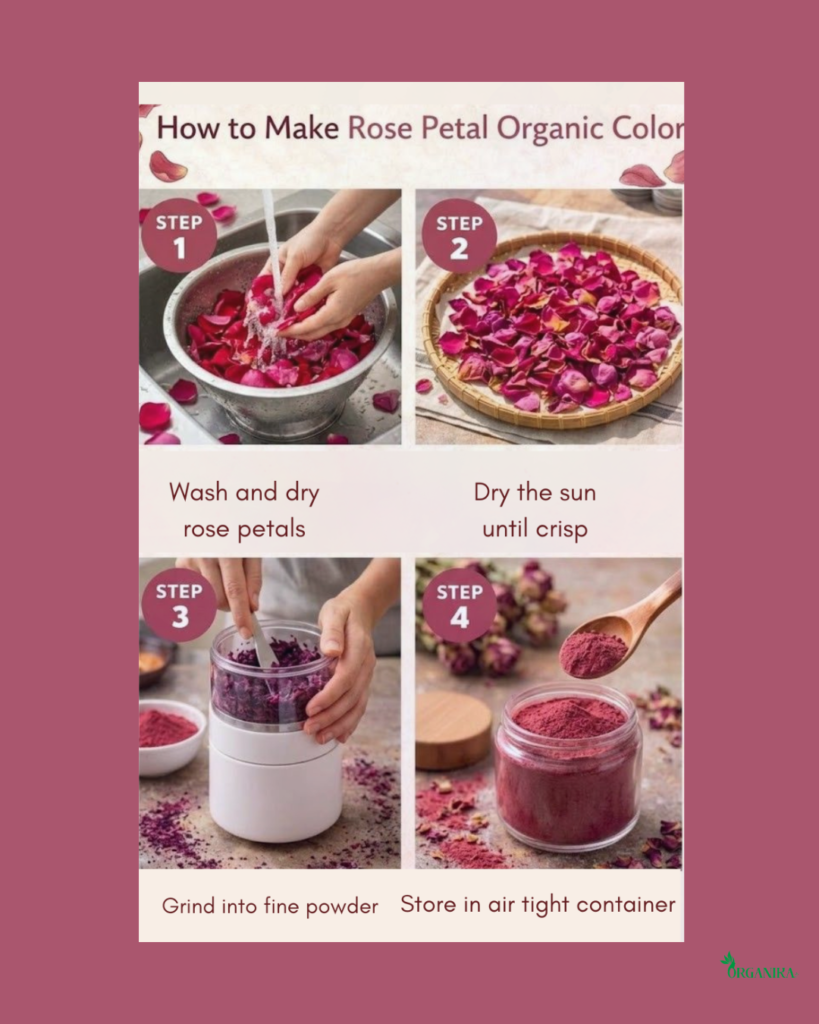
Dry rose petals and powder them.
Orange Color (Palash)

Soak palash flowers overnight.
How to Make Dry Gulal at Home
Use cornflour as base. Add natural powder slowly. Mix evenly. Sieve for smooth texture.
How to Make Natural Wet Colors
Boil herbs in water. Cool and strain. Store in glass bottles.
Safety Tips While Playing Holi
- Apply coconut oil before playing
- Wear full sleeves
- Keep eyes protected
- Drink water
Teaching Kids About Eco-Friendly Holi
Encourage:
- DIY sessions
- Flower drying activities
- School awareness campaigns
Case Studies
Cities like Pune and Bengaluru have run eco-Holi drives promoting herbal colors.
FAQs
How long do natural colors last?
2–3 days if stored dry.
Are they safe for toddlers?
Yes, but patch test recommended.
Conclusion
Holi is about joy, not harm. By choosing natural Holi colors at home, you protect your skin, loved ones, and the planet.
Let’s return to tradition.
Let’s celebrate responsibly.
Let’s make Holi colorful — naturally.